What is London dry gin? Why is it called "London dry"? Is it different from gin? We reveal all, right here!
Sep 6, 2022




We’re pretty certain that you have heard the name “London dry gin” before, especially if you are a gin fan like us.
You’ve most probably seen the likes of No. 3 London Dry Gin, Sipsmith London Dry Gin and Bloom London Dry Gin on the bar shelves, and you can’t move in supermarket gin sections without brands like Gordon’s and Beefeater London Dry Gin in Tesco popping out, but what exactly is London dry gin? Why is it called “London dry”? What is the difference between London dry gin and gin?
In this feature, we are revealing everything you need to know about London dry gin, from what the London dry gin name means to how to drink London dry gins at home.
Did you know, for instance, that London dry gin doesn’t have to come from London… or even the UK? In fact, it has nothing to do with a gin’s place of origin! It does have an extremely important significance, though.
Read on to find out exactly what London dry gin is…
What is London dry gin?
London dry gin is an alcoholic drink made with juniper, distilled with a base spirit along with a collection of other botanicals selected by each individual distiller to give their London dry unique characteristics.
What does London dry gin taste like?
London dry gins will have a juniper-forward flavour profile, that is complemented by touches of citrus, herb, fruit and spice tones, depending on the brand.
What does London dry gin mean?
The term “London dry” does not refer to any particular place - London dry gins can be made in any country. The term “London dry” actually refers to a method of distilling gin.
When London dry gin appears on the label of a bottle, it means a particular process was used to make the gin inside. A gin can only be labelled as “London dry gin” if it is created to very specific guidelines that were laid out in EU law in February 2008. For a gin to be called “London dry” it must be created to these specifications:
- First, a neutral base spirit must be distilled to at least 96% ABV.
- None of the botanicals added can be synthetic or artificial – they must all be natural.
- All botanicals must be added during the distillation process.
- Nothing but water and a very small amount of sweetener can be added post-distillation.
What are the origins of London dry gin?
During the gin craze of the 1700s, the gin industry was booming! But there was very little regulation on how gin was produced, meaning unscrupulous distillers made the spirit using dangerously crude methods. The resulting liquid was often practically undrinkable because it tasted so unpleasant.
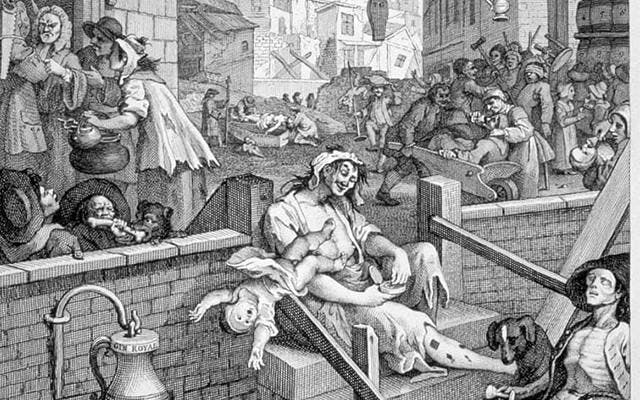
‘Gin Lane’ by William Hogarth was published in 1751 in protest against the uncontrolled production and sale of cheap, dangerous gin.
Post-distillation, the gin producers would add artificial ingredients, chemicals and colouring to make it more palatable. However, this was incredibly detrimental to the purity and quality of the gin. Some distillers even added methanol, a toxic chemical that can be fatal!
When London dry gin first appeared on the gin scene, it was to ensure that gin drinkers could enjoy a spirit of quality that wasn’t filled with nasty chemicals post distillation!
What is London dry gin made from?
London dry gin is made from a base spirit, which is normally made from fermented and distilled wheat or barley but could also be made from grape or potato.
The base spirit is flavoured with juniper (the key ingredient to any gin) and a mixture of other plants, herbs, fruits, nuts, spices and roots. The flavour is extracted through distillation.
You can find out more about what gin is made from right here!
What is the difference between London dry gin and gin?
As London dry gin is the most ubiquitous type of gin around today, when someone says the word “gin” they are, more often than not, referring to London dry gin. If you ask for a gin and tonic in a bar, for instance, you will get a London dry gin and tonic, by default.
There are other types of gin out there too:
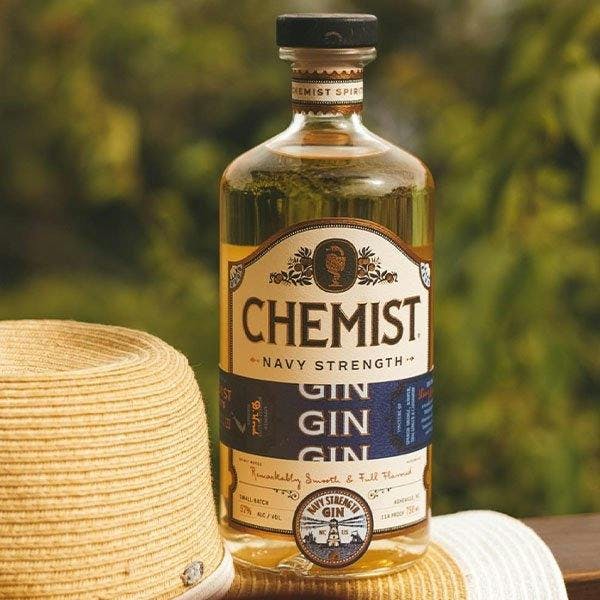
Chemist Navy Strength Gin is a great example of the gin type. Get it here! Image: Chemist Spirits.
Old Tom gin is the forefather of London dry and is said to be the gin that bridged the gap between Dutch genever and London dry. It is much sweeter than London dry.
Plymouth gin is slightly sweeter than your average London dry and it must be made in Plymouth to be labelled a “Plymouth gin”.
Navy strength gin, which, as you can very well imagine, is much stronger than London dry.
Flavoured gins are created by adding flavouring after the distilling process, macerating or mixing the new ingredients with the gin.
You can find out all about the different kinds of gin out there at this link!
There is also “bathtub gin”, or “compound gin”, as it is otherwise known, which is made by infusing your base alcohol with the botanicals without any need to distil the ingredients. You can make compound gins at home very easily. Click here to find out how to make a compound gin from vodka!
How to drink London dry gin?
London dry gins are great “all-rounders” and they can be served in a number of different ways, from elaborate cocktail recipes to simply being poured over ice and sipped slowly.
It is that versatility that has made London dry gin a key ingredient in many classic cocktail recipes. We recommend trying London dry gin in a Negroni, a Tom Collins or a Martini to get a real feel for how wonderful this spirit can be.
However, the most popular way to drink London dry gin is in a London dry gin and tonic. All you have to do is mix London dry gin with a premium tonic and garnish with fruit, berries and spices to your liking and you have a delicious and quick-to-make cocktail.
The ration of gin to tonic is down to personal taste, of course. But a good place to start is one part gin to four parts tonic, like so…
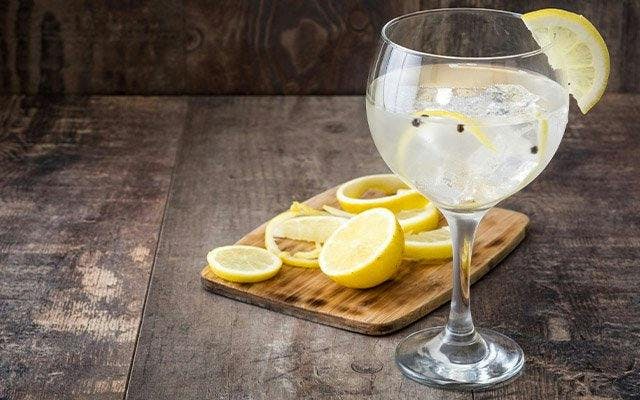
The perfect London dry gin and tonic recipe:
50ml London dry gin
200ml premium tonic water
Lemon slice, to garnish
Add the London dry gin and tonic water to a large Copa glass with lots of ice and stir. Garnish, serve and enjoy!
What are the best London dry gins?
There are lots of fabulous London dry gin brands out there, all with unique flavour profiles. So there really is something for everyone in the London dry gin category.
One of the best craft London dry gins you can buy is the now-iconic Tarquin’s Cornish Dry Gin, but there are so many fabulous London dry gins out there that we simply must share some of our favourites.
We have listed three of our favourite London dry gins that you should try if you’re a true gin fan, right here…
3 of the best London dry gins in the world:
Nelson’s London Dry Gin
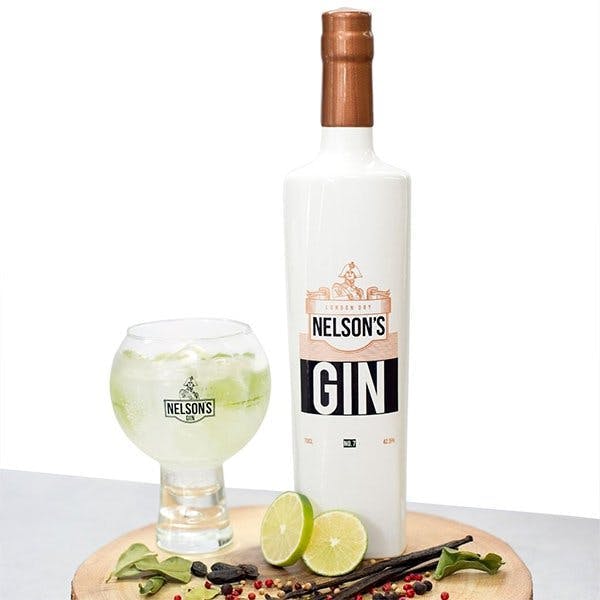
Image: Nelson’s Distillery & School
Find out more about this delicious craft London dry gin here!
QVT Dry Gin
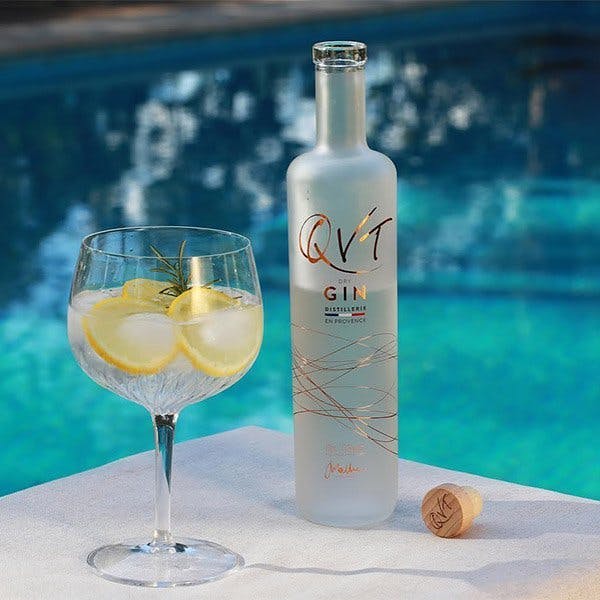
Image: QVT Distillery
Discover QVT Dry Gin at this link!
Pienaar & Sons Empire Gin
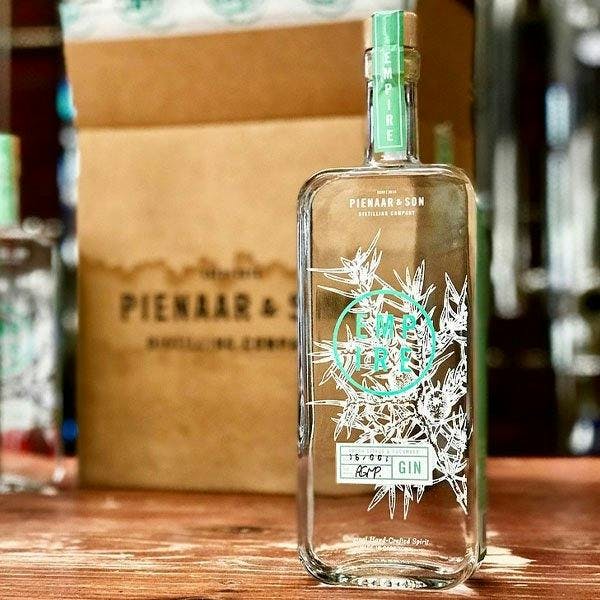
Click here to get more info on Pienaar & Sons Empire Gin!
London dry gin price?
Good quality craft London Dry Gins are usually priced between £30 and £50, but you can find London Dry Gins for much lower and higher prices too.